
Dab Pens vs Rigs: Buyer's Guide for Concentrates
Definition
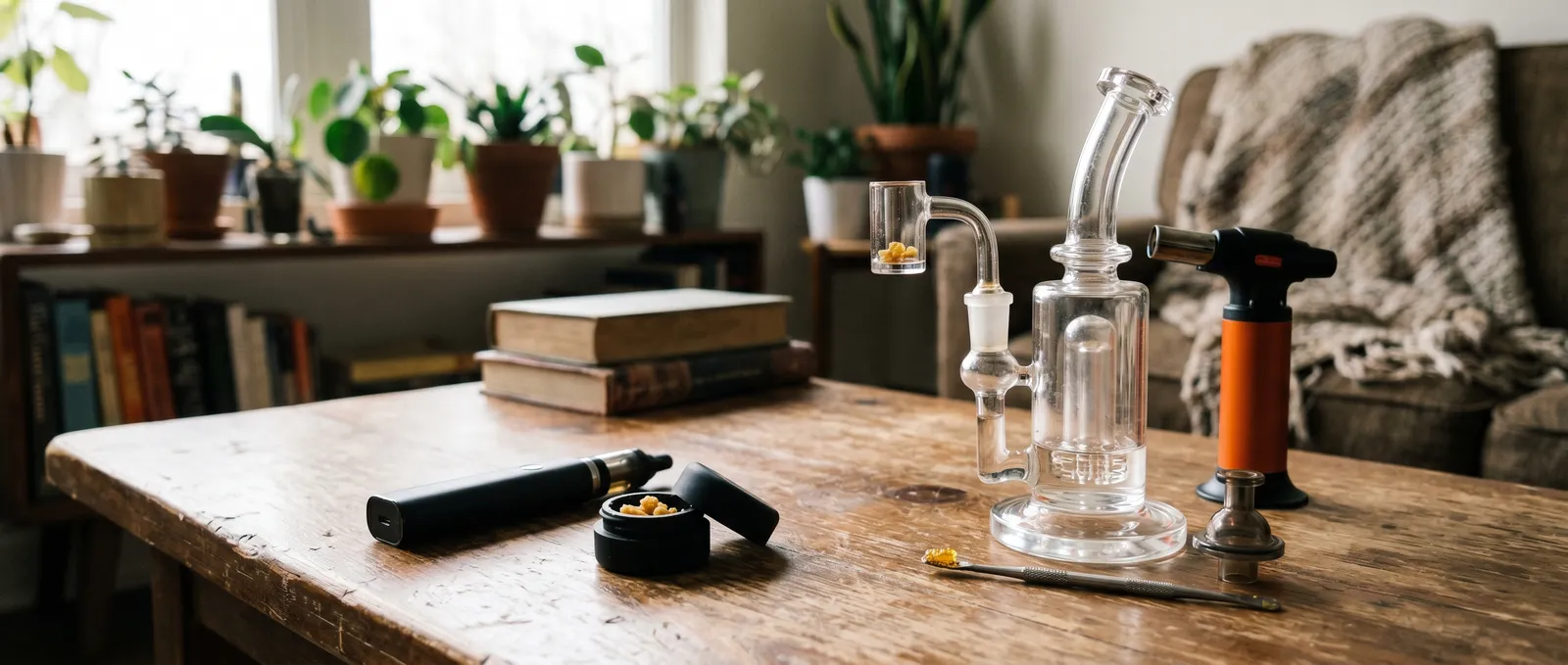
Dab pens and dab rigs both vaporise concentrates, but they differ sharply in portability, vapour quality, and temperature precision. Research shows that dabbing below 300 °C preserves terpenes while limiting harmful degradation products (Meehan-Atrash et al., 2017). This buyer's guide breaks down the practical trade-offs so you can pick the right hardware for how and where you consume.
Dab Pens vs Rigs at a Glance
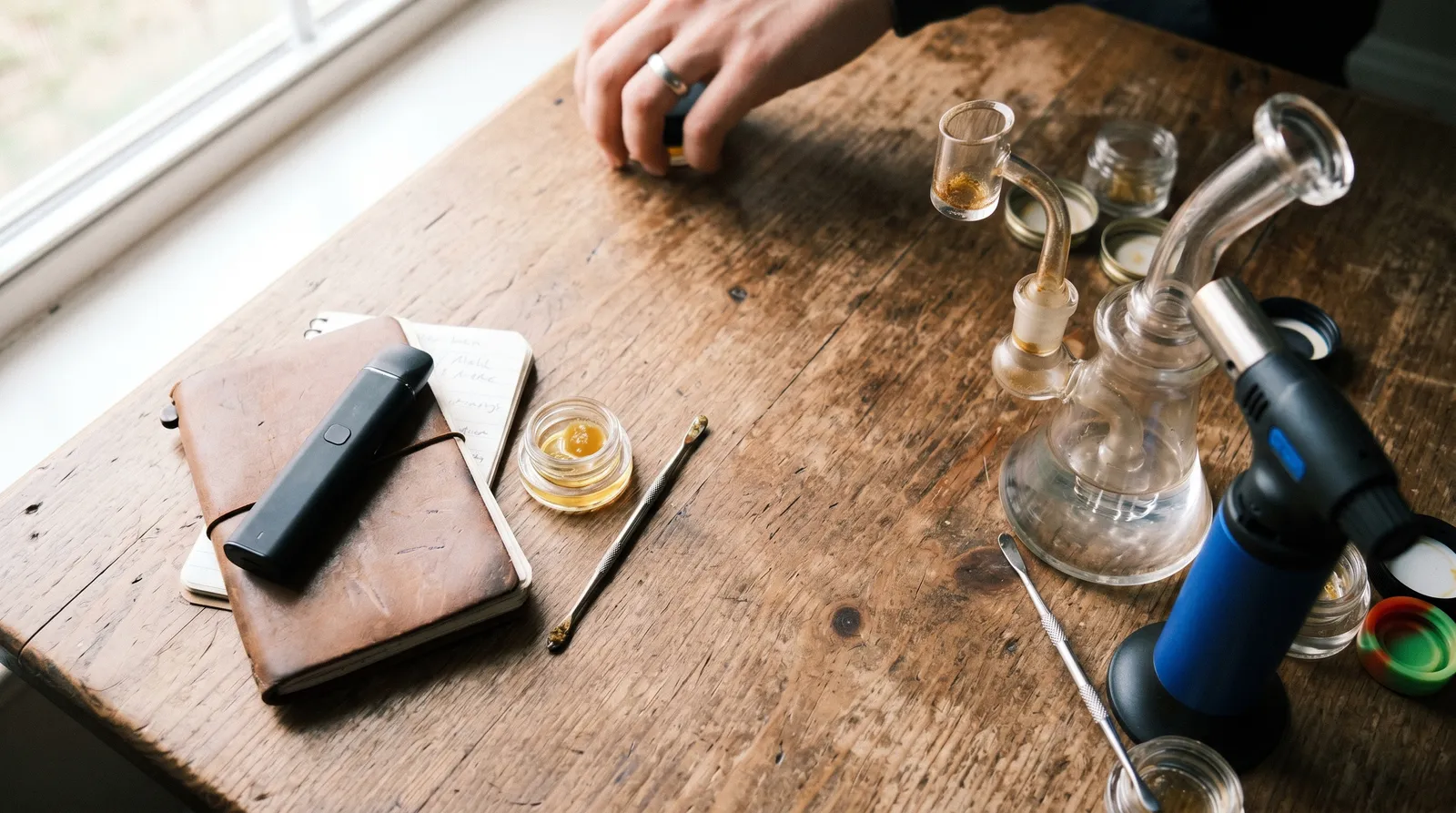
This guide is written for adults (18+) choosing between portable dab pens and full-size dab rigs for concentrate consumption. Both devices heat concentrates to produce vapour, but the experience, portability, and learning curve differ substantially. The comparison table below covers the dimensions that actually matter when you're deciding which to buy.
| Dimension | Dab Pen | Dab Rig (Glass + Banger) | Electric Dab Rig (E-Rig) |
|---|---|---|---|
| Size and portability | Pocket-sized, 10–15 cm long, battery-powered | Desktop only, 15–40 cm tall, requires torch | Desktop-portable hybrid, 15–25 cm, rechargeable or mains-powered |
| Heat source | Built-in coil or ceramic chamber, electric | Butane torch heating a quartz banger or titanium nail | Electric heating element with digital temperature control |
| Temperature control | Basic (low/medium/high presets on most models) | Manual — depends on torch time and cool-down intuition | Precise digital control, typically 150–370 °C range |
| Vapour quality | Decent; smaller chamber limits density | Excellent; water filtration cools and smooths vapour | Very good; water filtration plus consistent temperature |
| Flavour preservation | Moderate — coil contact can scorch terpenes | High at low-temp dabs (230–290 °C); poor if overheated | High — stable temps protect terpene profile |
| Learning curve | Low — load, press button, inhale | Moderate to steep — torch technique, timing, banger care | Low to moderate — digital controls simplify heating |
| Setup and accessories | Pen, charger, dab tool | Rig, quartz banger, carb cap, dab torch, dab tool, terp pearls (optional) | E-rig unit, charger, dab tool, carb cap |
| Cleaning effort | Low — swab chamber with isopropyl after sessions | Moderate — torch-clean banger, change rig water, iso soak | Moderate — clean atomiser and water chamber |
| Discretion | High — minimal vapour, no torch, no rig on the table | Low — torch flame, visible rig, water bubbling | Moderate — no torch, but unit is visible |
| Price tier | Entry-level to mid | Entry-level (basic rig) to high (artisan glass) | Mid to high |
What Is a Dab Pen?
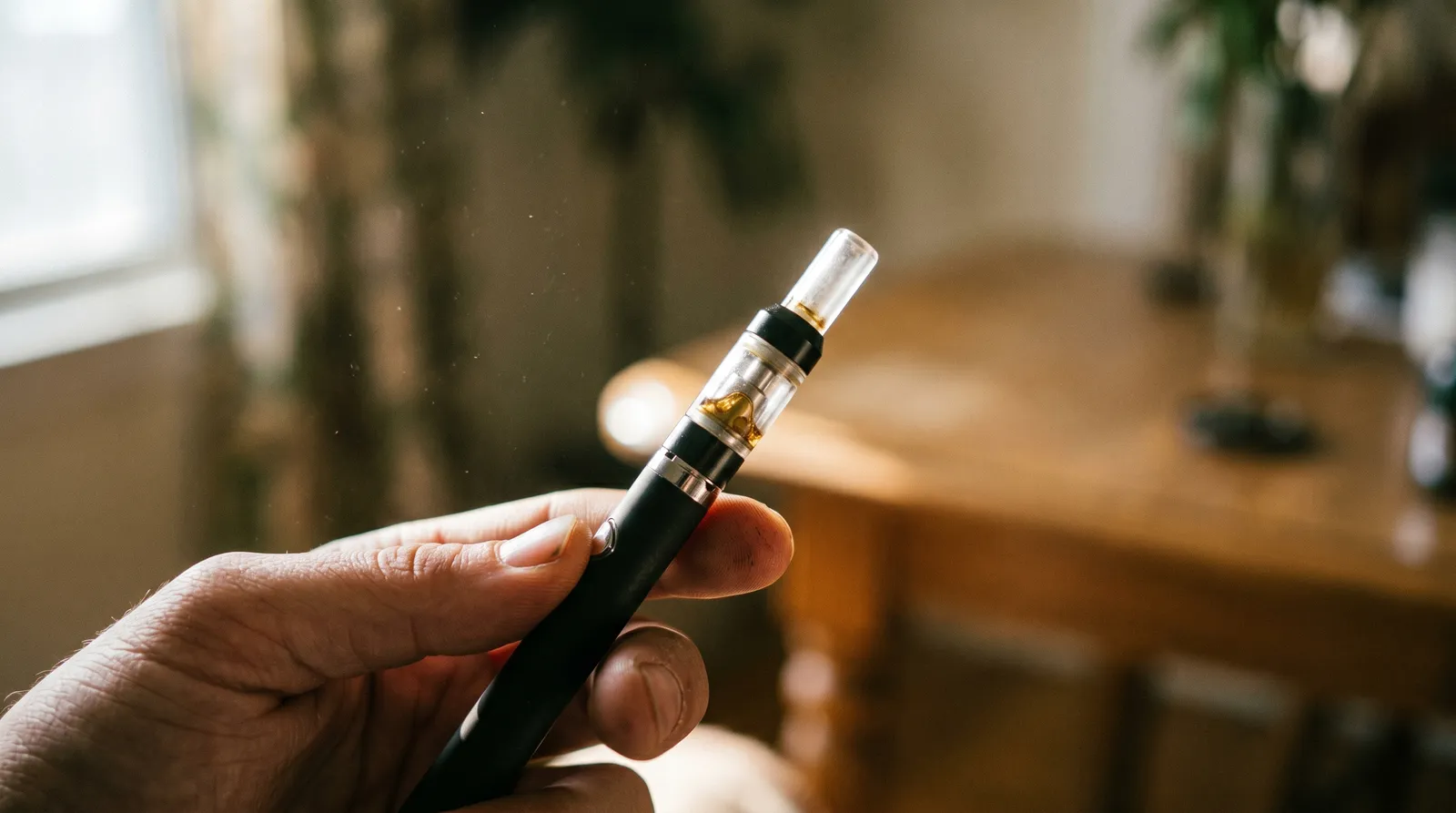
A dab pen — sometimes called a wax pen — is a battery-powered portable device built specifically for concentrates like wax, shatter, crumble, or rosin. It looks a lot like a standard vape pen, but the internals are different: instead of a pre-filled cartridge, you load a small amount of concentrate directly onto a heating element (usually a quartz coil, ceramic rod, or ceramic dish). Press the button, the coil heats up, and you inhale the resulting vapour through a mouthpiece.
The main appeal is simplicity. There's no torch, no water, no glass to break. You charge it, load it, and go. Most dab pens offer two or three temperature presets rather than precise degree-by-degree control, which keeps things straightforward but limits how much you can fine-tune the experience. A 2020 survey published in the Journal of Cannabis Research found that portable concentrate devices were the fastest-growing consumption method among respondents under 35, largely driven by convenience (Breitbarth et al., 2020).
The trade-off? Vapour production is smaller than what you'd get from a rig, and flavour can suffer if the coil runs too hot. Ceramic chambers tend to preserve terpenes better than exposed coils, so if flavour matters to you, look at the chamber material before buying.
What Is a Dab Rig?
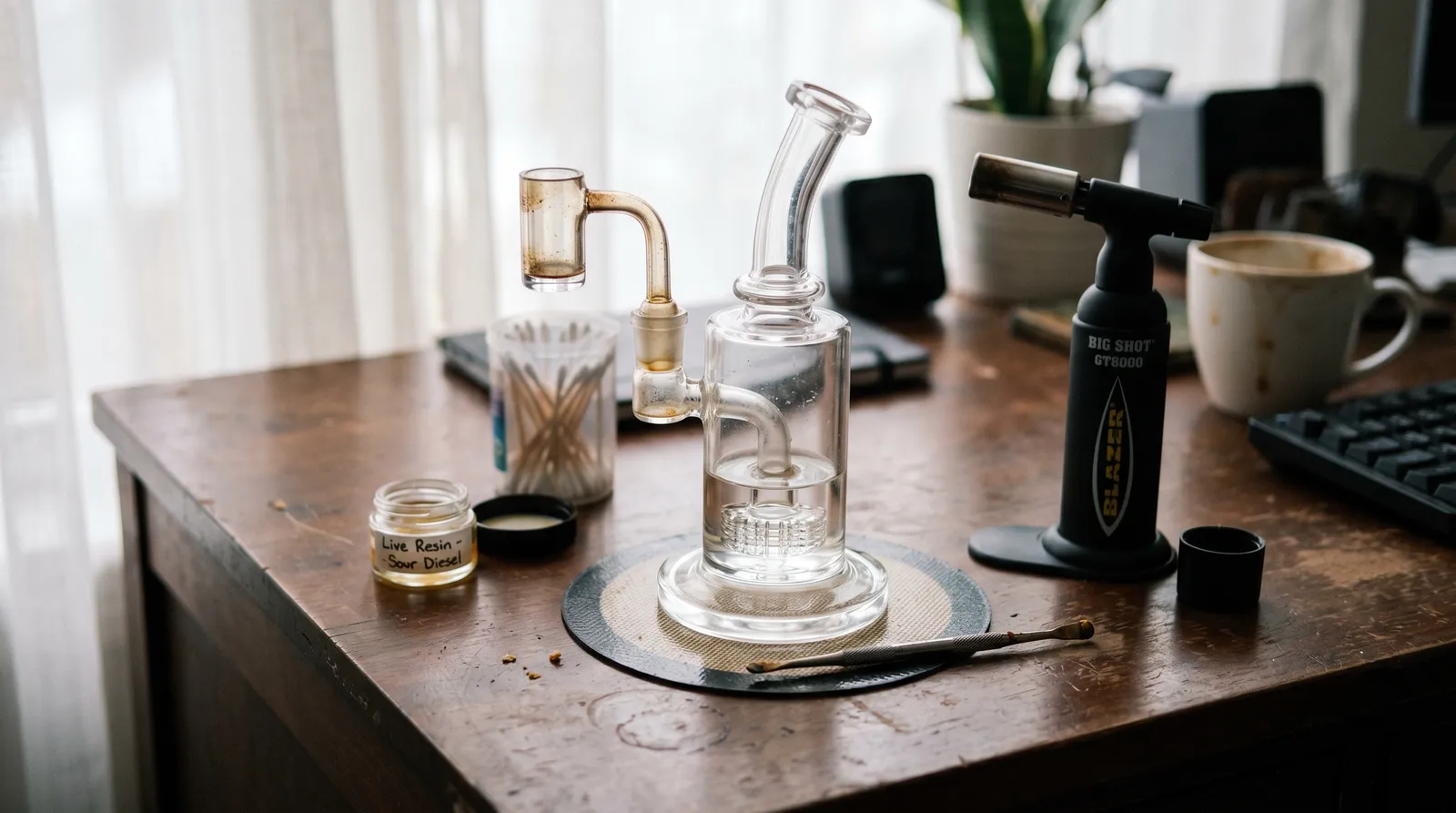
A dab rig is a water pipe specifically designed for concentrates. Structurally, it resembles a small bong — a glass body with a water chamber — but instead of a bowl for dry herb, it uses a quartz banger (or sometimes a titanium or ceramic nail) where you place your concentrate. You heat the banger with a butane torch, let it cool to your target temperature, drop in the concentrate, cap it with a carb cap, and inhale.
The water filtration is the key differentiator. It cools the vapour before it reaches your lungs, producing smoother draws that are noticeably less harsh than what a pen delivers. Flavour at low temperatures (roughly 230–290 °C) can be outstanding — this is where terpenes really come through. A study in ACS Omega found that dabbing temperatures below 300 °C preserved significantly more terpene content compared to higher temperatures, where degradation products like methacrolein and benzene begin forming (Meehan-Atrash et al., 2017).
The downside is everything else: you need a torch, a banger, a carb cap, dab tools, and the rig itself. The torch introduces a genuine safety element — an open flame near glass and hot quartz demands respect. And the learning curve is real. Heating a banger for the right amount of time, then waiting the right number of seconds before loading, is a skill that takes practice. Too hot (above roughly 370 °C, and especially above the 700 °F / 371 °C mark where some users red-hot their bangers) and you combust the concentrate, destroy terpenes, and inhale degradation by-products. Too cool and you waste material.
Electric Dab Rigs: The Middle Ground
E-rigs deserve their own mention because they solve the biggest complaint about traditional rigs — the torch. An electric dab rig uses a battery-powered or mains-powered heating element with digital temperature control, paired with a water chamber for filtration. You set your temperature, wait for it to reach target, load your concentrate, and inhale.
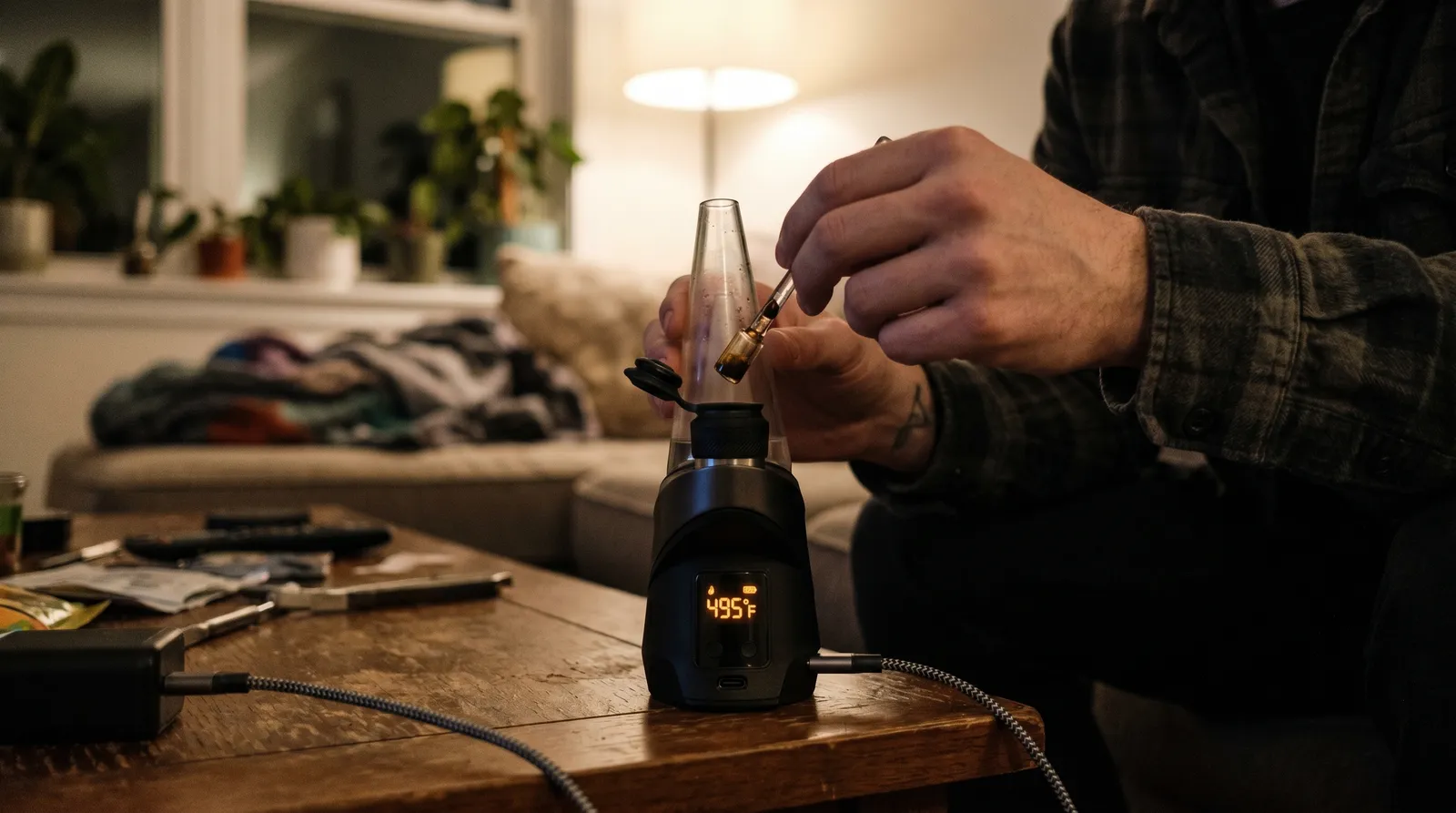
You get the water filtration and vapour quality of a glass rig with the temperature precision of an electronic device. No torch, no guesswork. The trade-off is cost (e-rigs sit at the higher end of the price spectrum) and the fact that they're still not truly pocket-portable — they're more of a "move it from room to room" device than a "take it to the park" device.
Temperature and Terpenes: Why It Matters
Temperature control isn't just a spec-sheet number — it directly affects what you inhale. The Meehan-Atrash et al. (2017) study mentioned above is worth expanding on: at temperatures around 250–300 °C, the primary vapour components are cannabinoids and terpenes. Push past 370 °C, and you start generating methacrolein and benzene — neither of which you want in your lungs. At the extreme end, red-hot bangers (glowing orange, well above 500 °C) produce visible combustion and a harsh, acrid taste that experienced dabbers avoid.
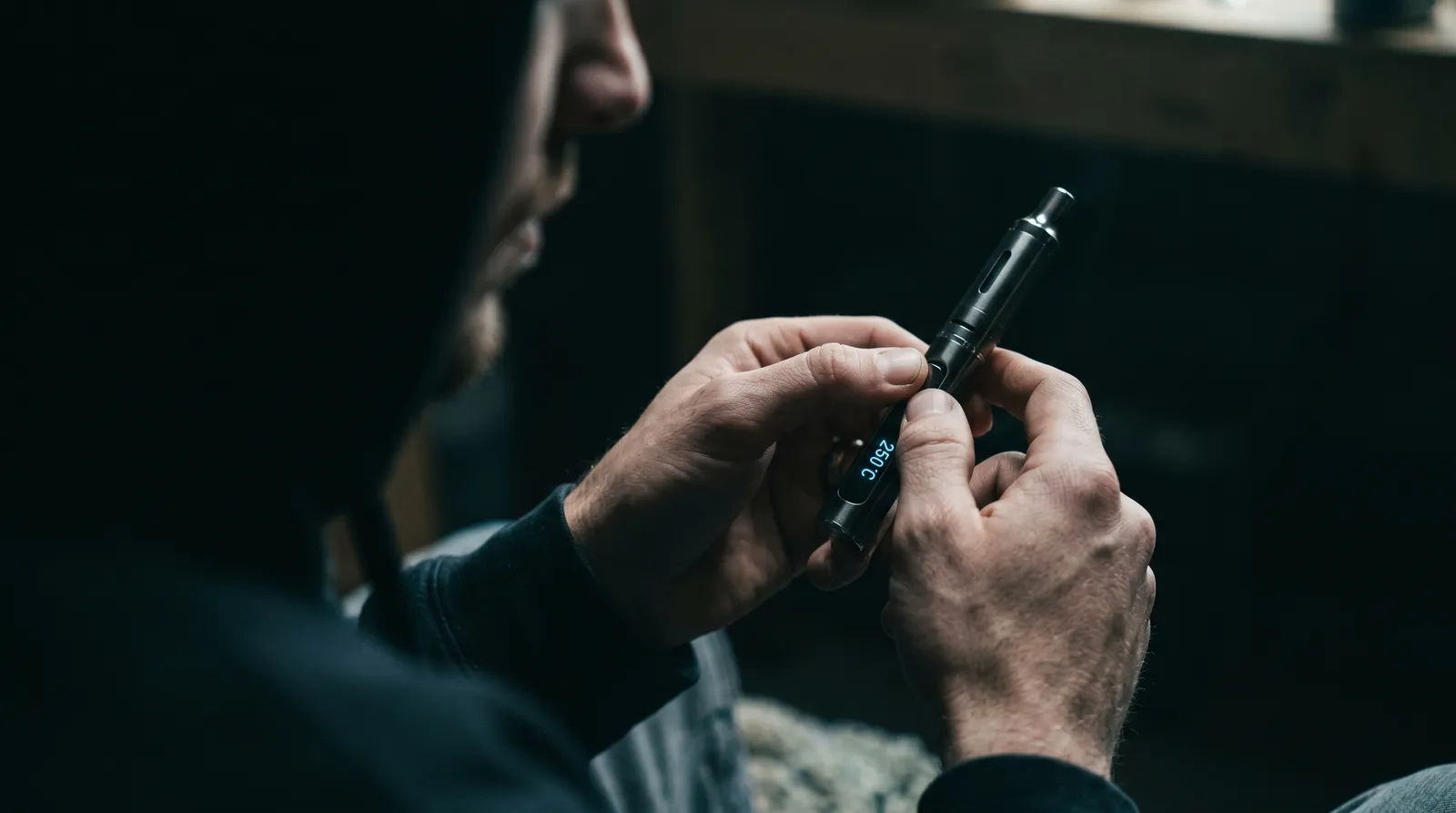
Dab pens with preset temperature modes typically operate in the 200–350 °C range, which keeps you in a reasonable zone. The problem is that cheap coils can have hot spots — localised areas that exceed the stated temperature — so the actual experience varies by build quality. Ceramic dish atomisers distribute heat more evenly than wrapped coils, and that difference shows up in flavour consistency.
Traditional rigs give you infinite temperature control in theory, but zero precision in practice unless you use an infrared thermometer or a terpometer. Most people learn by timing: heat the banger for 30–40 seconds, cool for 45–60 seconds, then dab. The exact timing depends on banger thickness, ambient temperature, and torch output. It's an analogue skill in a digital age, and some people genuinely enjoy the ritual of it.
E-rigs eliminate this guesswork entirely. Set 260 °C, get 260 °C. For terpene preservation, that precision is hard to beat.
A quartz banger came back to the shop counter last year with a permanent grey haze baked into the glass — the owner had been torching it cherry-red every session. Quartz devitrifies (loses its glassy transparency) above about 1,000 °C. Low-temp dabs keep your banger clear and your vapour clean. If your banger looks frosted after a few weeks, you're running way too hot.
Cleaning and Maintenance
Concentrate residue is stickier and more stubborn than dry-herb residue. Whichever device you choose, regular cleaning is non-negotiable for flavour and hygiene.
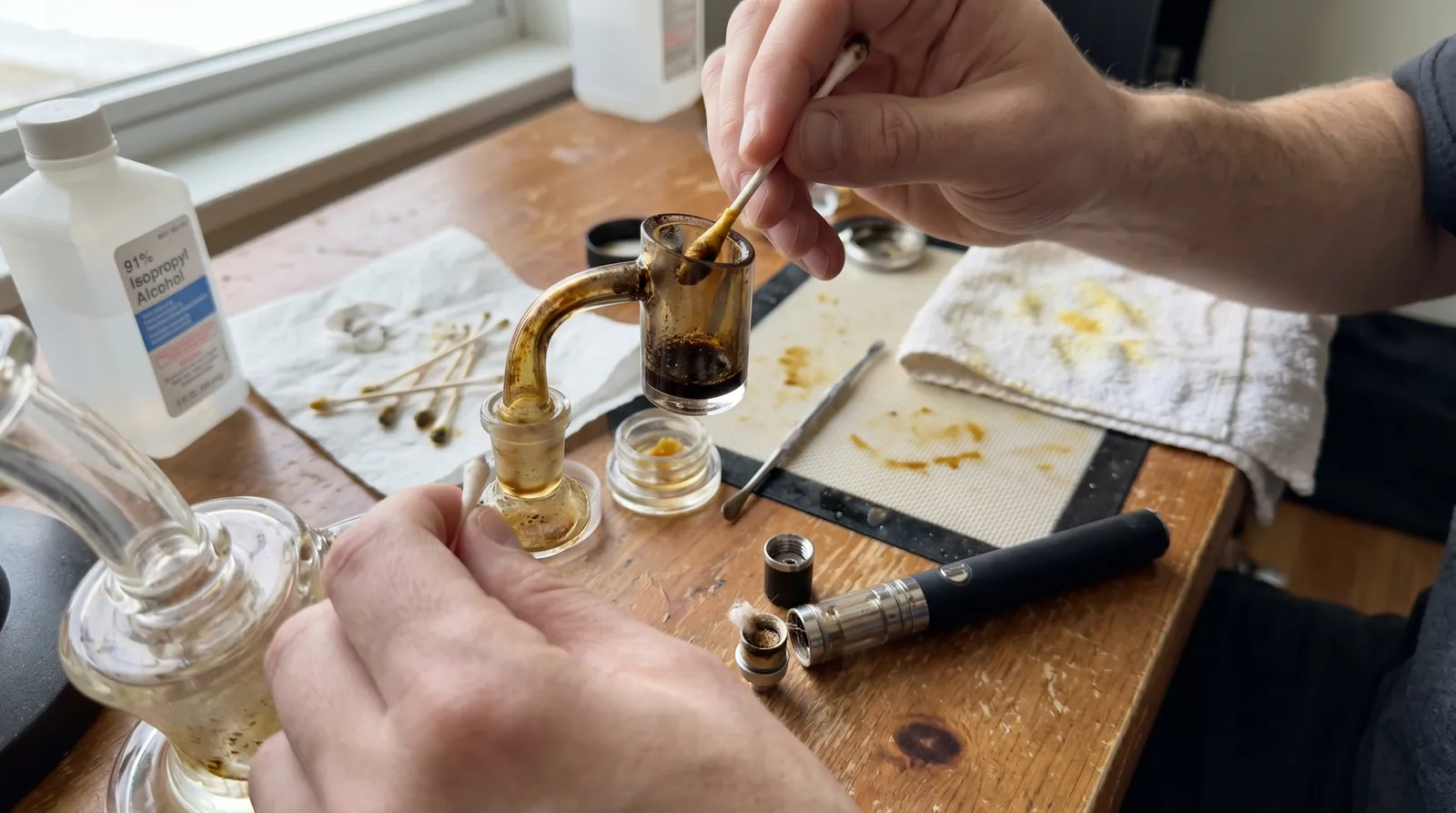
Dab pens: After each session, use a cotton swab dipped in isopropyl alcohol (90%+ concentration) to wipe the chamber while it's still slightly warm. Don't let residue build up — once it carbonises onto a coil, it's nearly impossible to remove without damaging the heating element. Replace coils or atomisers when flavour starts tasting burnt even after cleaning.
Glass rigs: Change the water after every session. Stale rig water smells terrible and defeats the purpose of water filtration. For the glass body, a weekly soak in isopropyl alcohol with coarse salt (as an abrasive) keeps things clear. Quartz bangers benefit from a quick iso swab after each dab — the "q-tip tech" that's become standard practice. Torch-cleaning a banger (heating it until residue burns off) works but accelerates devitrification over time.
E-rigs: Clean the atomiser chamber with iso swabs after sessions, and rinse the water chamber regularly. Most e-rigs have replaceable atomisers that wear out after a few months of heavy use — factor that into running costs.
Safety note: Isopropyl alcohol is flammable. Never clean a device near an open flame or while the heating element is active. Ventilate the room, and let all components dry completely before using them again.
Who Should Get What
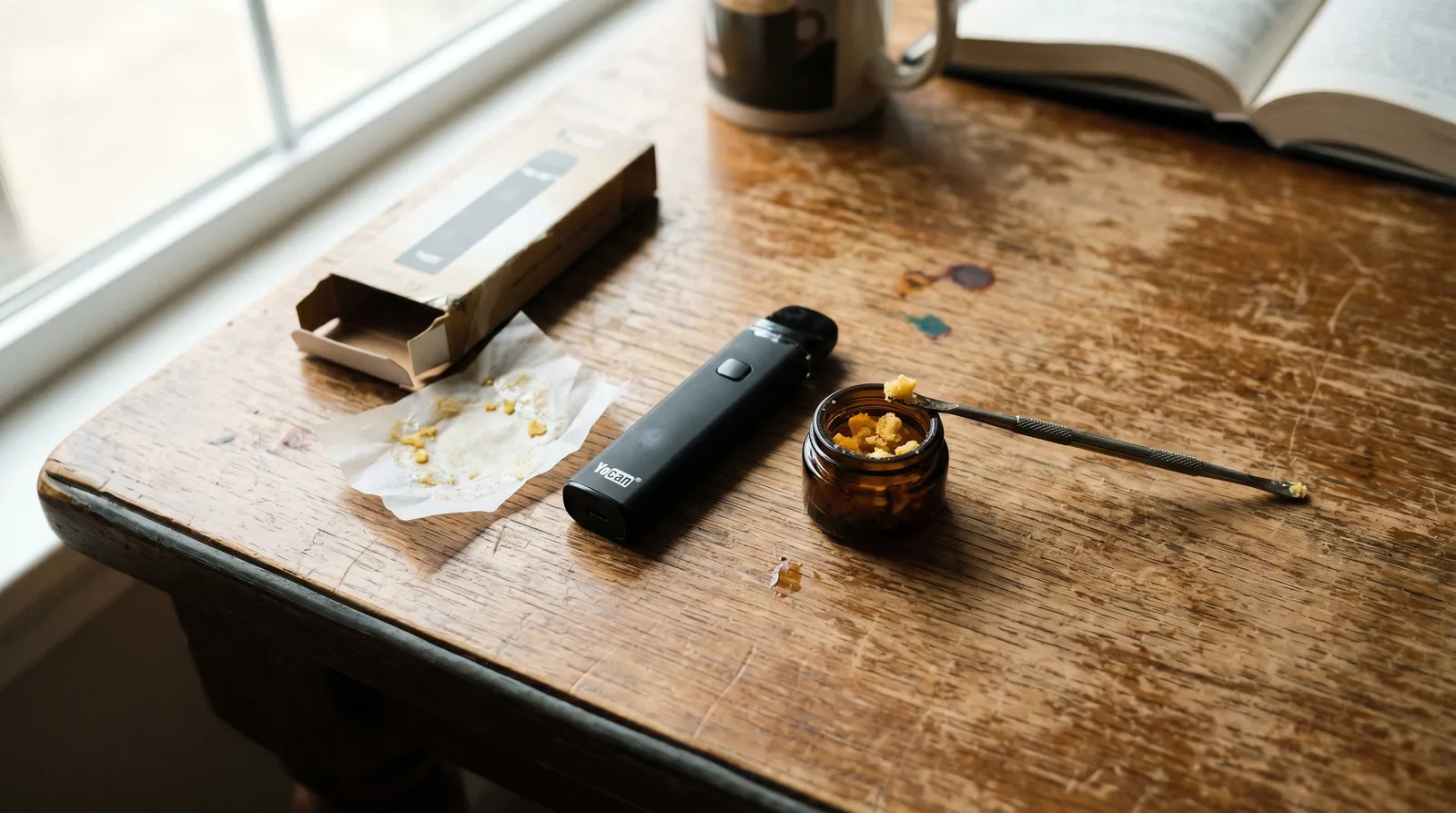
Get a dab pen if: you want something portable and discreet, you're new to concentrates and want the lowest barrier to entry, or you dab occasionally rather than daily. The simplicity is hard to argue with — charge, load, press, inhale. No accessories beyond a dab tool and maybe some spare coils.
Get a glass rig if: you dab at home, you enjoy ritual and hands-on technique, and you want the best possible vapour quality at the lowest hardware cost. A basic glass rig with a quartz banger, carb cap, and dab torch costs less than most e-rigs and delivers outstanding results once you nail your timing. Add terp pearls for better heat distribution inside the banger — they spin with airflow and keep the concentrate moving across the hot surface.
Get an electric dab rig if: you want rig-quality vapour without the torch, you value precise temperature control, and you're willing to pay more upfront for convenience. E-rigs are also the safest option in terms of eliminating open-flame risk, which matters if you have pets, children in the household, or a general preference for not waving a butane torch around.
There's no wrong answer here — it depends on where you dab, how often, and whether the ritual of torch-and-banger appeals to you or just feels like extra steps.
Accessories That Actually Matter
Regardless of which device you choose, a few accessories make a genuine difference:
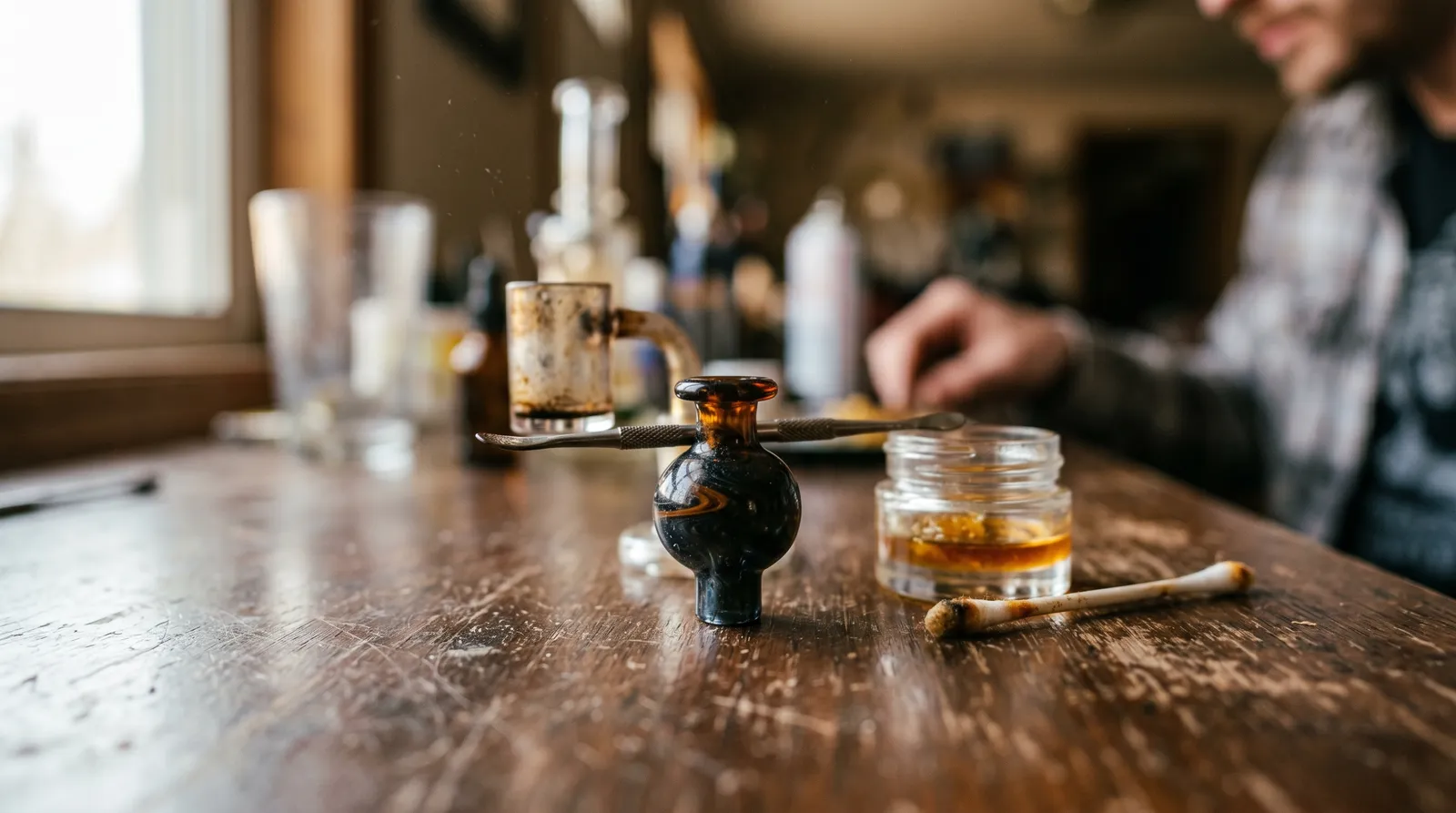
- Dab tools: A proper scoop or pick makes loading concentrates far easier than improvising with a paperclip. Stainless steel or titanium tools are easy to clean and don't degrade.
- Carb caps: Essential for rigs and e-rigs. Capping the banger restricts airflow and lowers the effective boiling point, so you vaporise concentrate at lower temperatures. Directional carb caps let you steer airflow inside the banger.
- Terp pearls: Small quartz or ruby balls that sit inside the banger and spin when you inhale through a directional carb cap. They distribute heat more evenly and help vaporise every last bit of concentrate — less waste, better flavour.
- Dab torches: For glass rigs, a reliable butane torch with adjustable flame is worth the investment. Cheap lighters don't produce enough heat; oversized torches are overkill for a small banger. A medium-sized kitchen-style torch hits the sweet spot.
- Cleaning supplies: Isopropyl alcohol (90%+), cotton swabs, coarse salt, and pipe cleaners. Stock up — you'll use more than you expect.
A Note on Concentrates
This guide covers the hardware side of dabbing. The concentrates themselves — types, potency, terpene profiles, and how they're produced — fall under substance-specific content. For that information, see the cannabinoids hub articles on concentrate types and consumption methods. What matters from a hardware perspective is consistency: runny oils work better in pens with dish-style atomisers, while stable waxes and shatters are easier to handle with dab tools and load onto bangers. Match your hardware to the consistency of what you're using.
References
- Breitbarth, A. K., Morgan, J., & Jones, A. L. (2020). E-cigarettes and cannabis: a survey of patterns of use and health effects. Journal of Cannabis Research, 2(1), 1–8.
- Meehan-Atrash, J., Luo, W., & Strongin, R. M. (2017). Toxicant formation in dabbing: the terpene story. ACS Omega, 2(9), 6112–6117.
- Loflin, M., & Earleywine, M. (2014). A new method of cannabis ingestion: the dangers of dabs? Addictive Behaviors, 39(10), 1430–1433.
This guide covers hardware for adults (18+). Use of vaporizers, bongs, pipes, dab rigs and rolling accessories is for adult use only. Verify your local laws on the substances you choose to use — Azarius does not provide legal advice. Consult a qualified professional if you have a health condition or take medication.
Last updated: April 2026
Domande frequenti
7 domandeCan you use a dab pen with all types of concentrates?
How often should you replace a dab pen coil or atomiser?
Is a dab rig smoother than a dab pen?
What temperature should you dab at for the best flavour?
Do you need a torch for an electric dab rig?
How long does a dab pen battery last on a full charge?
Is a dab rig worth it if I only dab occasionally?
Informazioni su questo articolo


Adam Parsons is an external cannabis and psychedelics writer and editor who contributes to Azarius's wiki as both author and reviewer. On the writing side, he authors Azarius's kratom and kanna clusters, drawing on exten
Questo articolo wiki è stato redatto con l’assistenza dell’IA e revisionato da Adam Parsons, External contributor. Supervisione editoriale di Joshua Askew.
Avviso medico. Questi contenuti hanno finalità esclusivamente informative e non costituiscono un parere medico. Consulta un operatore sanitario qualificato prima di utilizzare qualsiasi sostanza.
Ultima revisione 25 aprile 2026
Articoli correlati
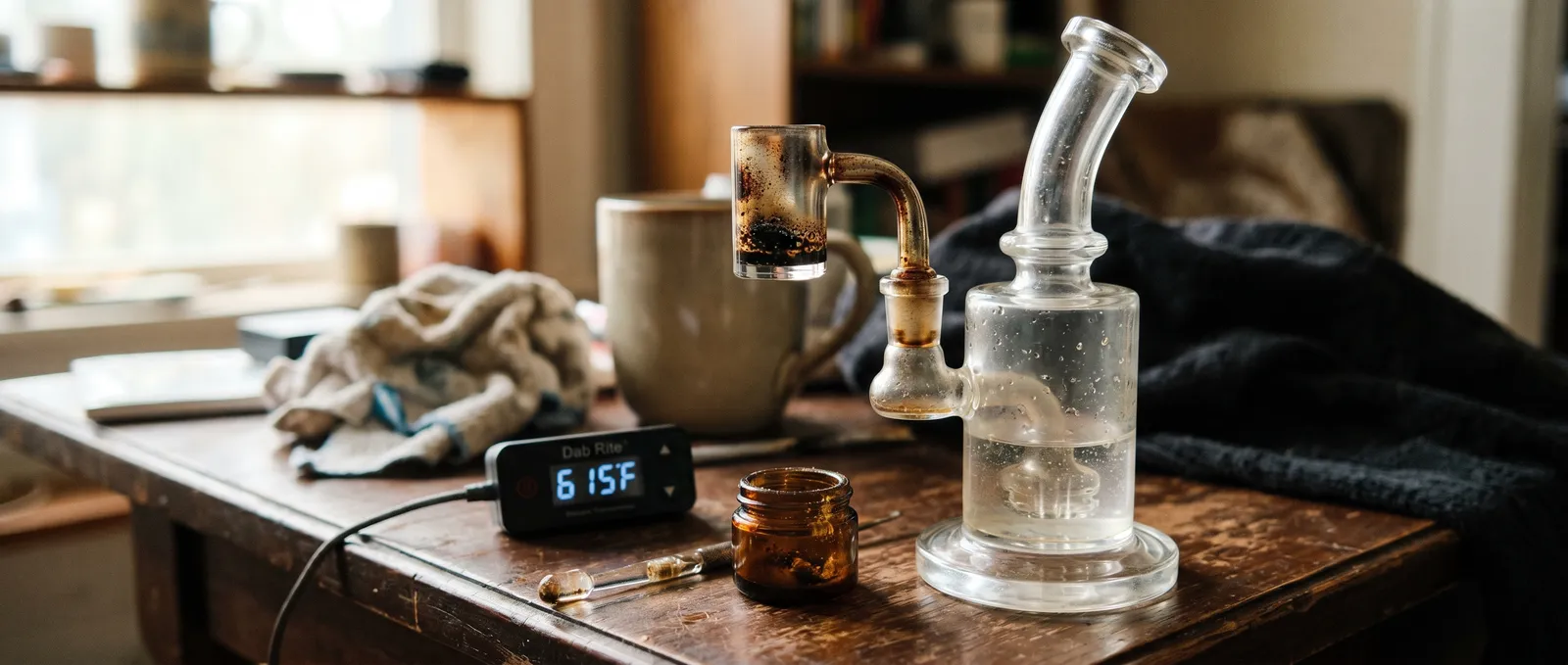
Quartz Banger: Guida a Temperatura, Uso e Pulizia
Il quartz banger è un componente in biossido di silicio fuso utilizzato per vaporizzare concentrati nei dab rig.
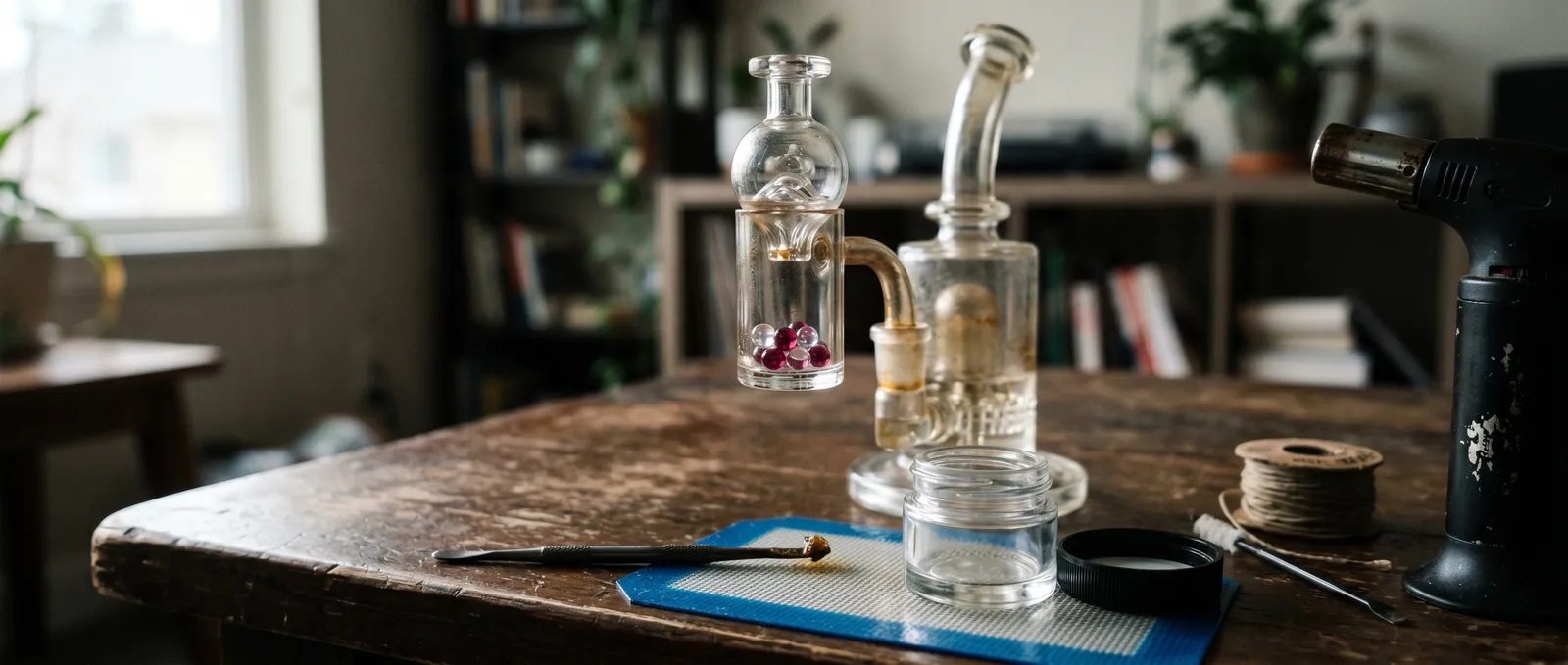
Carb cap e terp pearls: guida completa al dabbing
Il carb cap restringe il flusso d'aria nel banger abbassando la pressione interna, così i concentrati vaporizzano a 230–290 °C anziché oltre 370 °C. Le terp…
Dab Pen vs Dab Rig: guida completa al confronto
Le dab pen e i dab rig sono dispositivi per il consumo di concentrati che riscaldano il materiale fino a produrre vapore, ma si differenziano per…
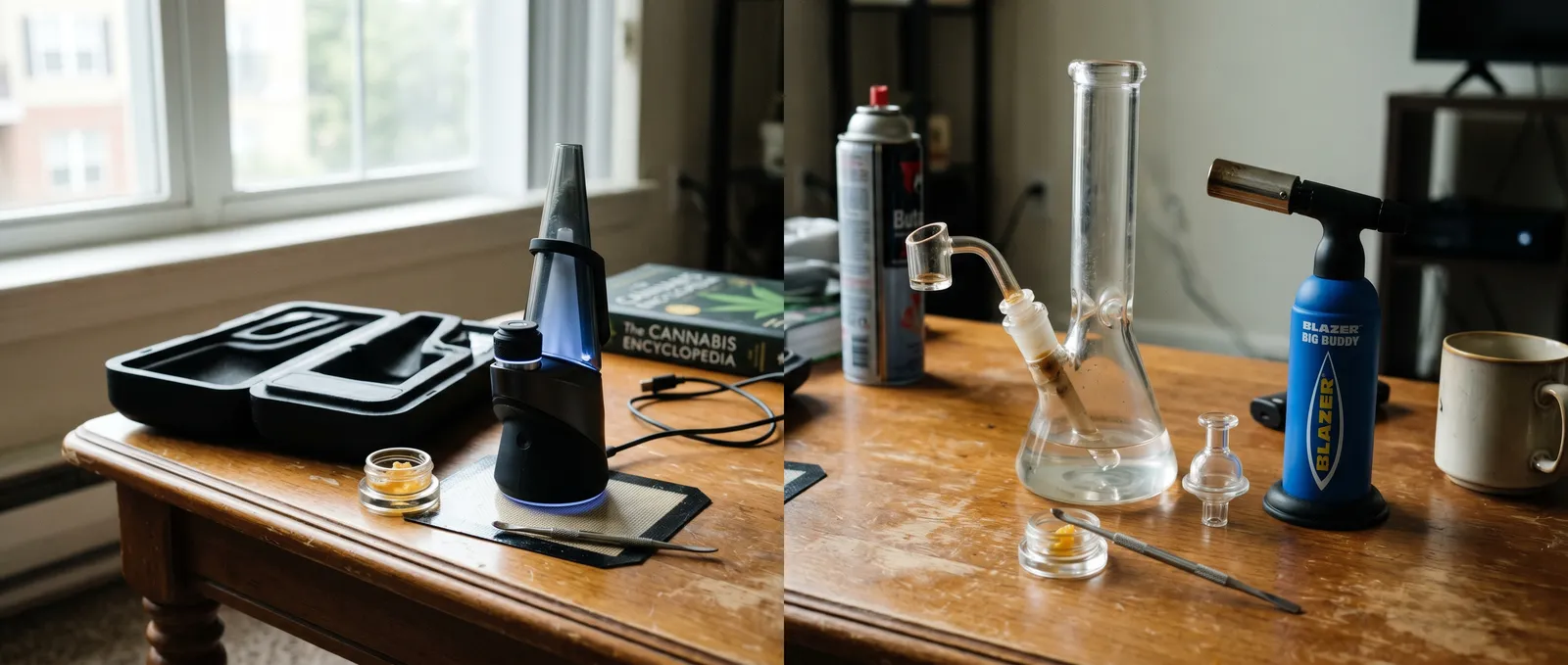
E-rig vs torcia e banger: confronto completo
L'hardware per il dabbing si divide in rig elettronici (e-rig) a temperatura controllata e setup tradizionali con torcia a butano e banger in quarzo.
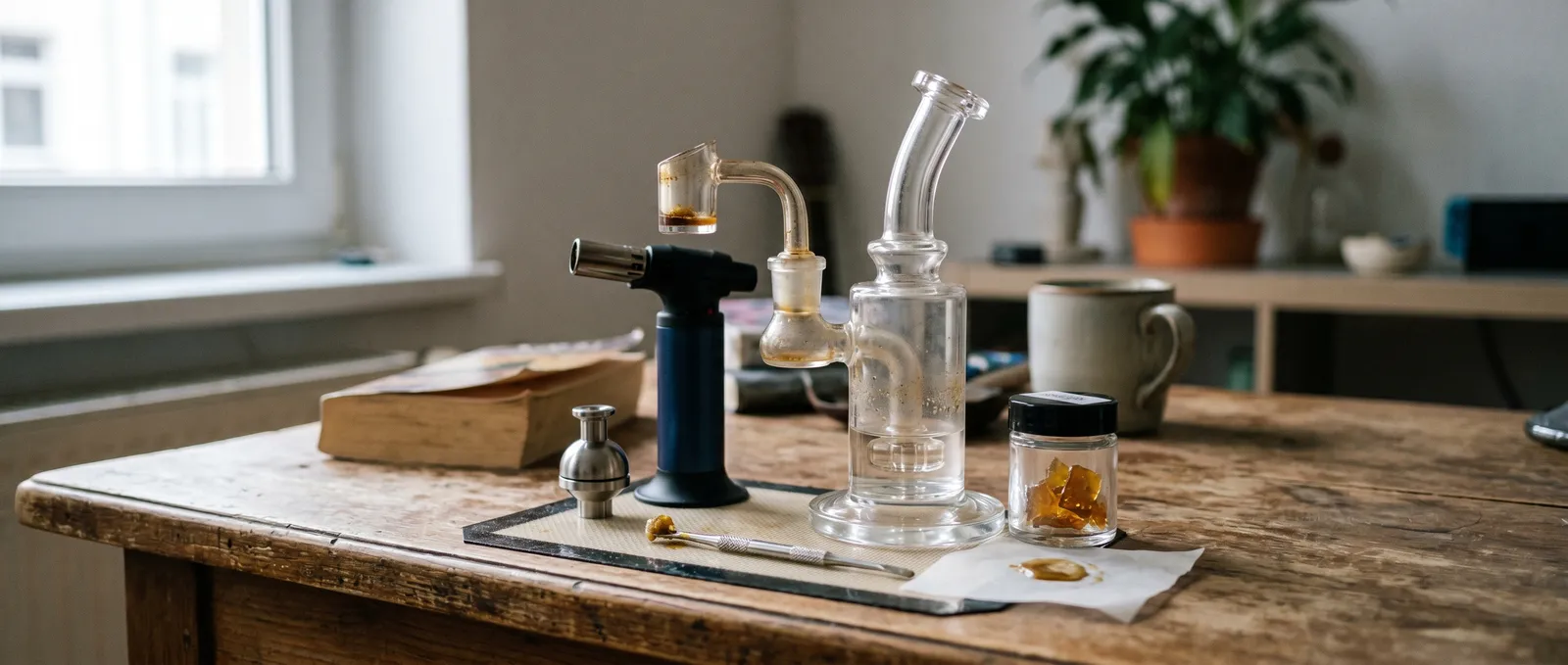
Dabbing per principianti: guida completa al kit
Il dabbing consiste nel vaporizzare concentrati di cannabis su una superficie in quarzo riscaldata, inalando il vapore attraverso un piccolo rig con…